

You can do everything right; select high-quality seed, seed at the right time, prepare the surface carefully, and still struggle with bentgrass establishment. In many cases, the issue isn’t the seed or the weather. It’s seeding depth.
For golf course superintendents, bentgrass seeding depth is one of the most overlooked yet critical factors in successful establishment. Whether you’re interseeding existing turf or establishing a new playing surface, placing bentgrass seed too deep or too shallow can lead to uneven germination, thin stands, and delayed recovery. Getting this one detail right sets the foundation for strong establishment, improved playability, and long-term turf performance.
When establishing Tee-2-Green bentgrass on greens, tees, or fairways, attention to detail is what separates good results from exceptional ones. Seed quality, timing, and soil preparation all matter, but seeding depth often determines whether those efforts pay off.
Why Seeding Depth Matters for Bentgrass
Bentgrass seed is extremely small, with approximately 5-7 million seeds per pound. Unlike larger turfgrass species such as ryegrass or fescue, bentgrass has limited energy reserves and must emerge quickly after germination.
When bentgrass seed is planted too deeply, the seedling may not have enough energy to reach the soil surface, resulting in poor or uneven germination. Conversely, seed left completely exposed on the surface is vulnerable to drying out before it can establish.
The Ideal Seeding Depth for Bentgrass
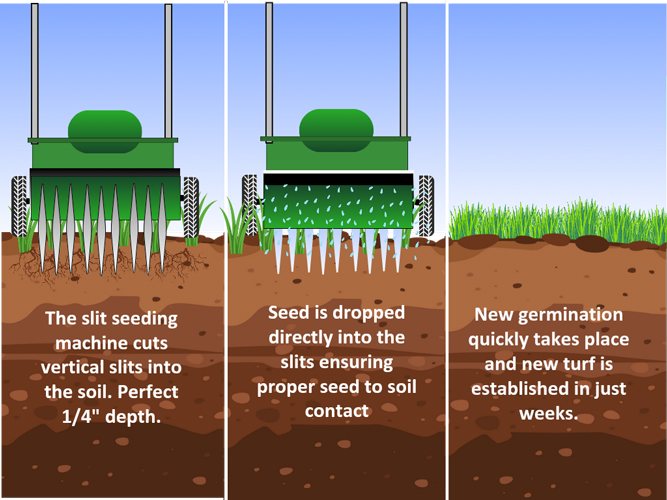
For bentgrass, the optimal seeding depth is ¼ inch or less.
This shallow placement keeps the seed close enough to the surface to receive adequate oxygen and light while ensuring sufficient contact with the soil to retain moisture.
Hide the seed—don’t bury it.
Best Practices for Achieving Proper Bentgrass Seeding Depth
- Soil Preparation – Smooth and firm the seedbed before seeding. A soft or fluffy surface allows the seed to settle too deeply.
- Seed-to-Soil Contact – Lightly drag, brush, or topdress the seed so it is barely covered.
- Rolling – A light roller after seeding improves contact and reduces washouts./li>
- Moisture Management – Frequent, light irrigation is critical. Shallow seed dries quickly.

Common Bentgrass Seeding Mistakes to Avoid
- Planting Too Deep – Even ½ inch can significantly reduce germination.
- Uneven Coverage – Skipped or overlapped areas lead to inconsistent stands.
- Allowing Seed to Dry Out – Inconsistent moisture is a leading cause of failure.
Bentgrass Seeding Depth FAQs
- How deep should bentgrass seed be planted?
- ¼ inch deep or less.
- Can bentgrass germinate if it’s planted too deep?
- Planting too deep significantly reduces emergence.
- Should bentgrass seed be covered after seeding?
- Yes—lightly covered, not buried.
- What happens if bentgrass seed dries out?
- Drying during germination is a top cause of failure.
- Is depth different for greens, tees, and fairways?
- Depth is consistent, but surface firmness matters.
- How soon should irrigation begin?
- Immediately, with frequent light applications.
Key Takeaways for Golf Course Superintendents
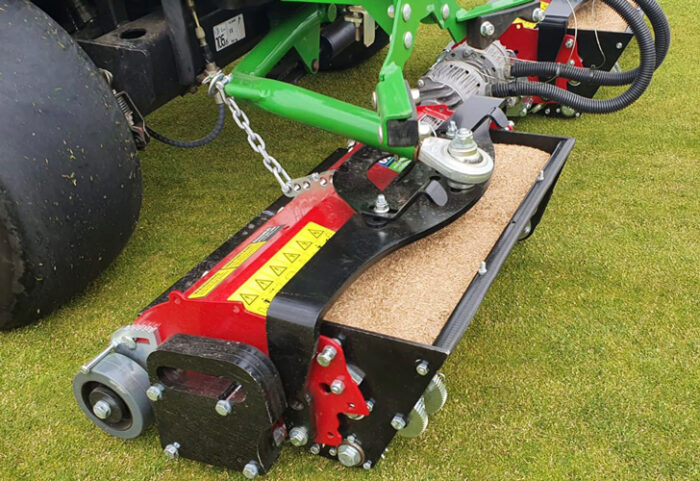
Key rule of thumb: Bentgrass doesn’t need depth, it needs contact, moisture, and consistency.