


The courses that look best in June made disciplined decisions in March.
In cool-season regions, spring is not just the start of play; it is the foundation for the entire season. A strong start reduces summer stress, lowers disease pressure, and builds consistency that golfers notice. Rushed spring decisions often create compounding problems by midseason.
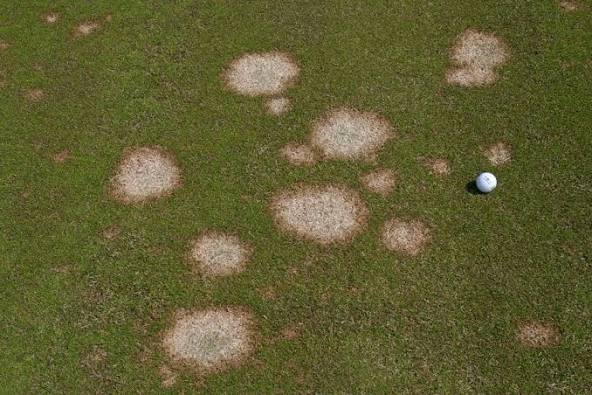
This golf course spring checklist is designed for superintendents managing cool-season systems, including creeping bentgrass greens, collars, and fairways.
What you do in spring determines how much you’re managing problems in summer, or preventing them.
1. Review Last Season, with Discipline
- Where did greens struggle during summer stress?
- Were collars and approaches traffic-prone?
- Did fertility and PGR programs perform as expected?
Courses that improve year over year are rarely guessing; they’re adjusting based on data.
2. Assess Winter Damage Early, and Go Beyond the Surface
- Crown hydration injury
- Desiccation
- Snow mold
- Ice damage
Probe greens for firmness and rooting depth.
In sand-based bentgrass systems, winter conditions can significantly reduce root mass. Identify weakened areas early to plan targeted interseeding, temporary covers, delayed traffic, or adjusted fertility.
Early assessment turns recovery into a strategy rather than a reaction.
3. Use Soil Temperature, Not the Calendar, to Guide Spring Programs
- Around 40°F soil temperature: Root activity begins.
- Around 45–50°F soil temperature: Noticeable shoot growth initiates.
- Above 50°F consistently: Nitrogen becomes more efficiently utilized.
Spring turf management rewards discipline.

4. Let Data Drive Spring Fertility Planning
- Test pH, phosphorus, potassium, and micronutrients.
- Pay particular attention to potassium on sand-based greens.
- Plan light, consistent nitrogen applications rather than large early-season doses.
Steady growth now prevents overcorrection later.
5. Don’t Rush Green Speed at the Expense of Summer Health
Courses chasing May speeds in April often struggle in July.
- Aggressive mowing reduces root development.
- Excessive rolling lowers carbohydrate reserves.
- Early nutrient restriction increases summer decline risk.
April restraint protects August conditions.

6. Manage Traffic Before It Becomes Damage
- Rotate traffic patterns frequently.
- Restrict carts during freeze-thaw cycles.
- Delay opening of vulnerable areas when necessary.
Early compaction damage can linger for months. Prevention is easier than correction.
7. Align Cultural Practices With Recovery, Not Routine
- Schedule aeration and topdressing based on soil temperature and root activity.
- Communicate timing and intent clearly with golfers and management.
8. Ensure Equipment and Shop Readiness
- Complete reel grinding and bedknife replacement.
- Calibrate the height of cut.
- Inspect sprayers for accuracy and uniformity.
- Stock essential parts and consumables.
9. Invest in Staffing and Training Early
- Set expectations regarding quality, safety, and attention to detail.
- Review mowing patterns and bunker presentation standards.
- Explain why practices matter — not just how to perform them.
Prepared teams produce consistent conditions.
10. Communication Is Part of Spring Preparation
- Align expectations with ownership and the golf professional.
- Educate golfers on why certain practices are necessary.
- Share goals and anticipated challenges early.
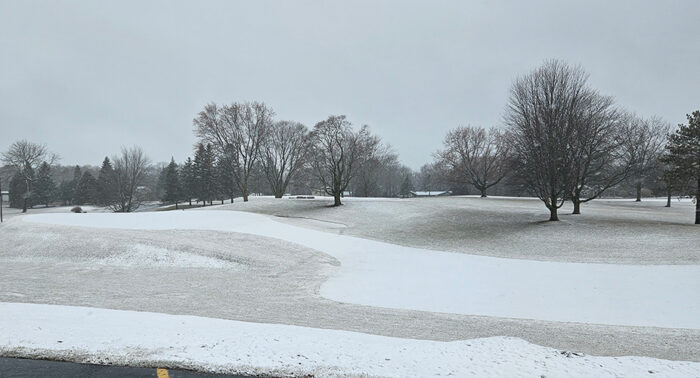
Common Spring Mistakes Superintendents Should Avoid
- Applying heavy nitrogen before consistent 50°F soil temperatures.
- Rushing green speed conditioning.
- Opening soft surfaces too early.
- Ignoring traffic rotation.
- Skipping soil testing.
Spring discipline determines summer resilience.
FAQ: Golf Course Spring Preparation
1. When should golf courses begin spring maintenance?
Begin when surfaces are firm enough to prevent damage and soil temperatures support root activity.
2. What soil temperature triggers cool-season turf growth?
Root activity begins around 40°F, with noticeable shoot growth around 45–50°F.
3. How early is too early for nitrogen in spring?
Significant nitrogen before consistent 50°F soil temperatures can lead to flush growth without adequate root support.
4. Should green speeds be pushed early in the season?
No. Progressive conditioning protects root strength and summer turf health.
Final Thought
A successful season does not begin on opening day. It begins with disciplined decisions when conditions are still uncertain.
In cool-season systems, especially creeping bentgrass greens, spring patience is strategy. Set the foundation now, and the rest of the season becomes far more manageable.

