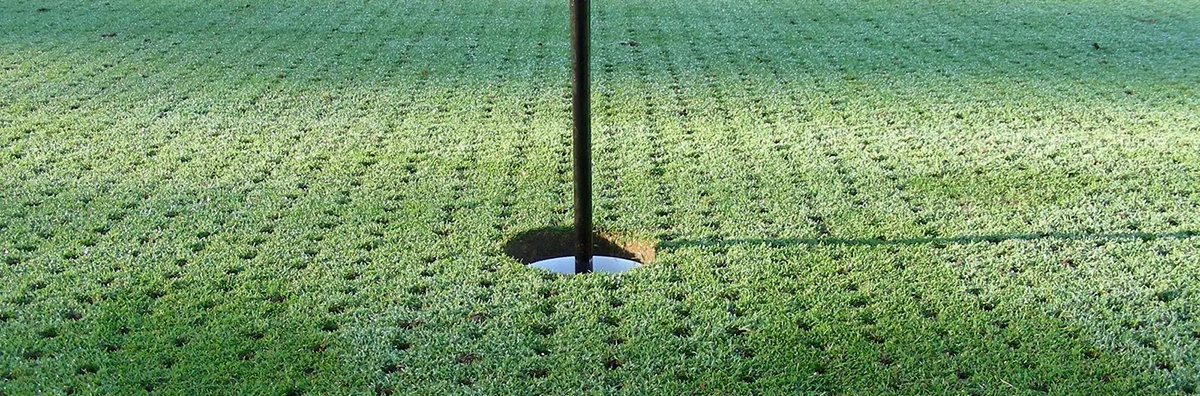

Every pound of certified bentgrass seed that reaches your greens started with a decision made months earlier in an Oregon field, and that decision is what separates a seed lot that performs from one that doesn’t.
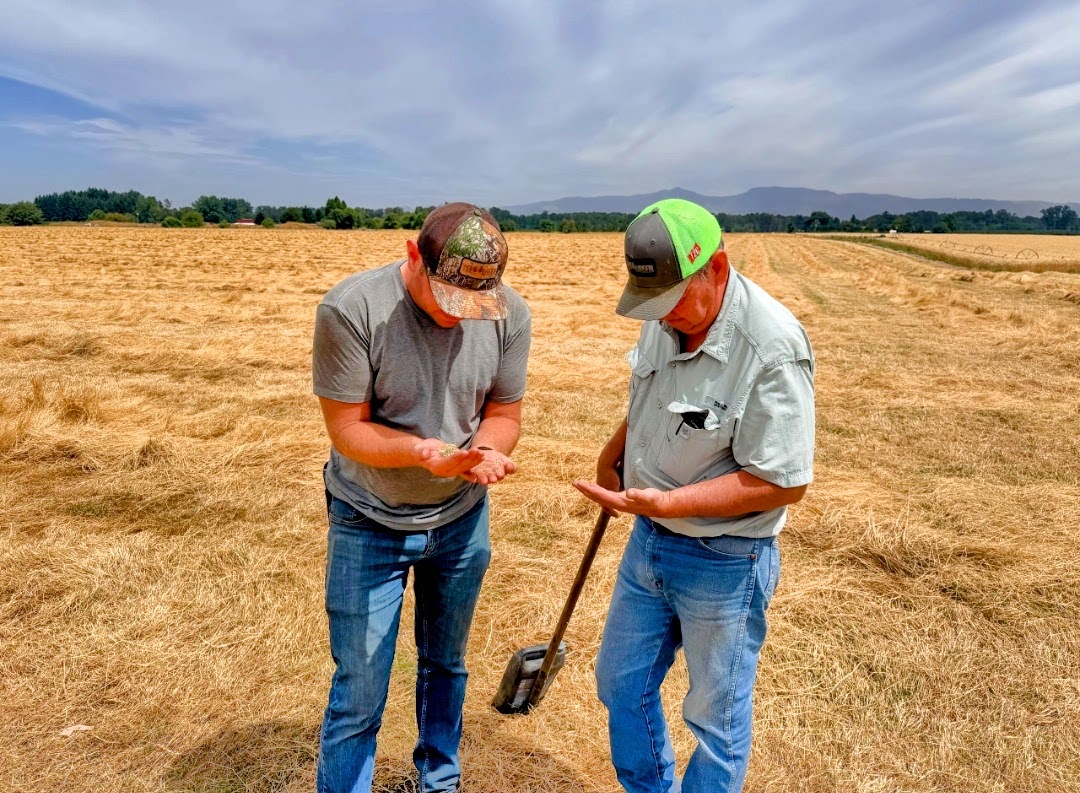
Harvest is the moment the entire growing season gets tested. Everything a grower did all year, from irrigation timing to disease management to genetic purity checks, shows up in the quality of the seed that comes off the field. For superintendents, understanding what happens during harvest explains why certified bentgrass seed behaves the way it does once it’s in the ground.
Quick Takeaways
- Harvest timing is the single biggest variable in seed quality. Too early and germination suffers. Too late and shatter losses climb.
- Bentgrass fields are swathed before combining to dry the crop evenly and protect seed quality.
- Post-harvest cleaning (air-screen separation, gravity tables, precision sizing) removes chaff, immature seed, and inert material before any lot moves to certification testing.
- Certification confirms genetics, purity, and germination. It’s the difference between seed that establishes uniformly and seed that doesn’t.
Why the Willamette Valley
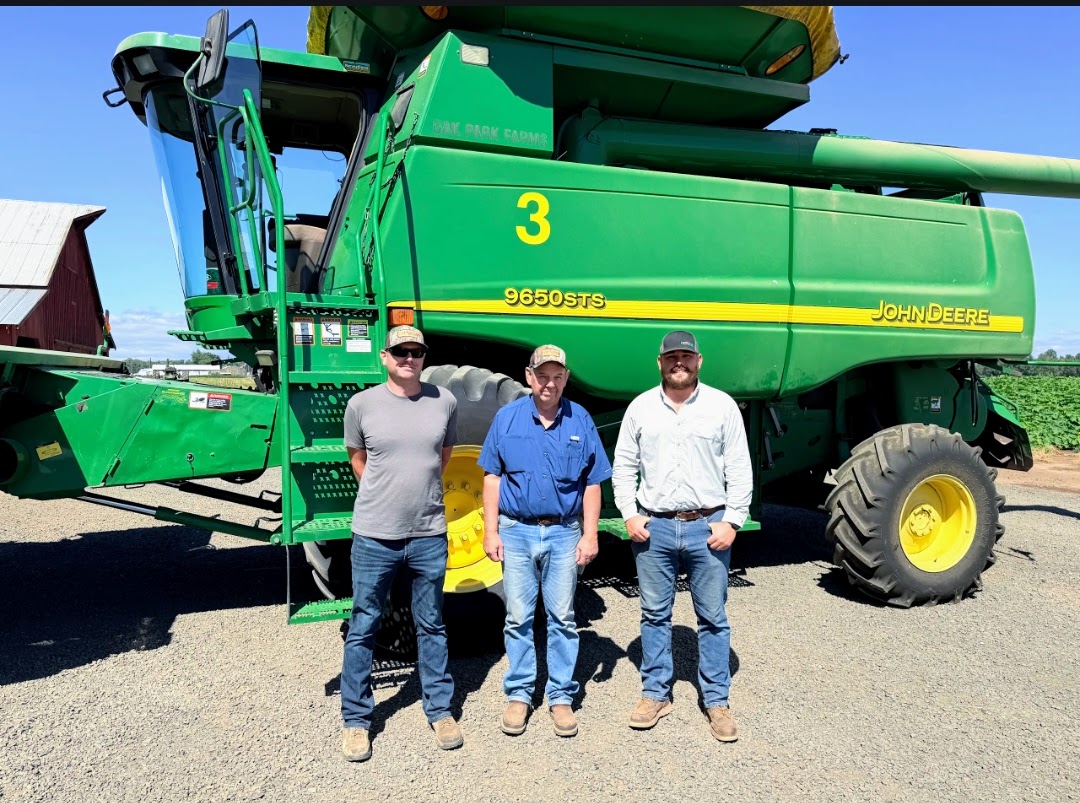
Nearly every premium creeping bentgrass variety traces back to Oregon’s Willamette Valley, and that’s not tradition. It’s climate.
The valley combines mild winters that protect perennial stands, warm dry summers that let seed mature slowly and evenly, rich alluvial soils, and long summer daylight hours. That combination lets bentgrass build seed with high germination and strong genetic purity at yields most regions can’t match. Add generations of growers who specialize in nothing else, and you get the international benchmark for bentgrass seed production.
Harvest Timing Is the Whole Game
No single decision affects finished seed quality more than the day harvest begins.
Cut too early and seed hasn’t reached physiological maturity. That shows up later as lower germination, weaker seedling vigor, and uneven emergence on your greens. Wait too long and mature seed starts to shatter from the plant before it’s collected, cutting yield and exposing the crop to rain, wind, and lodging that degrade quality further.
The window is often just a few days. Growers walk fields daily, checking seed color, moisture, and firmness against weather forecasts. There’s no shortcut for that judgment. It comes from years of reading the same fields season after season.
From Field to Certified Lot
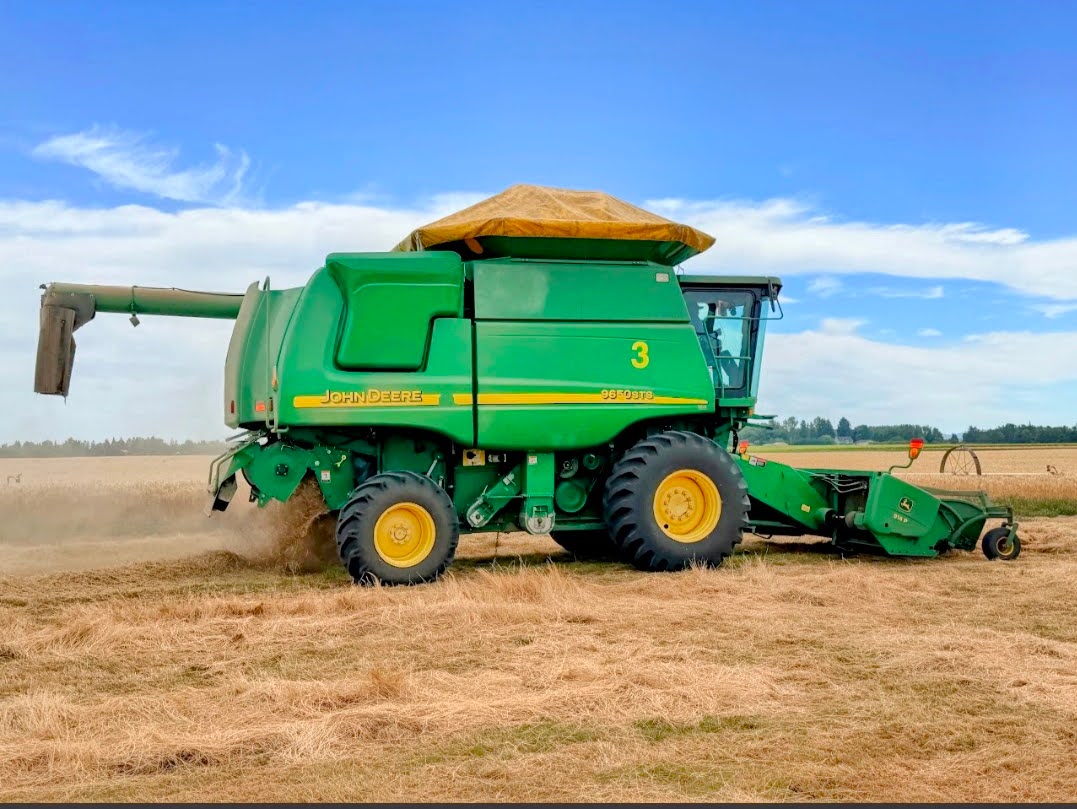
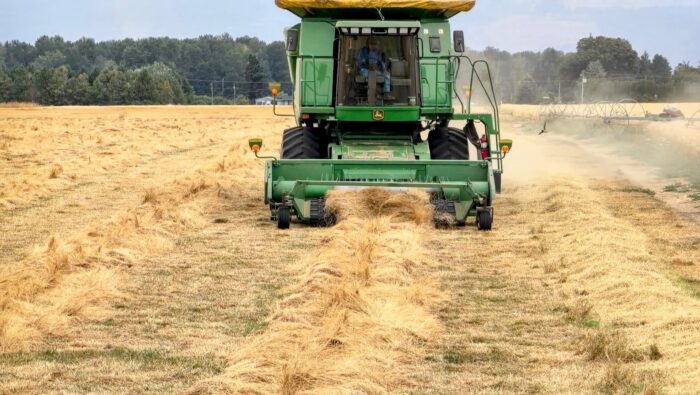
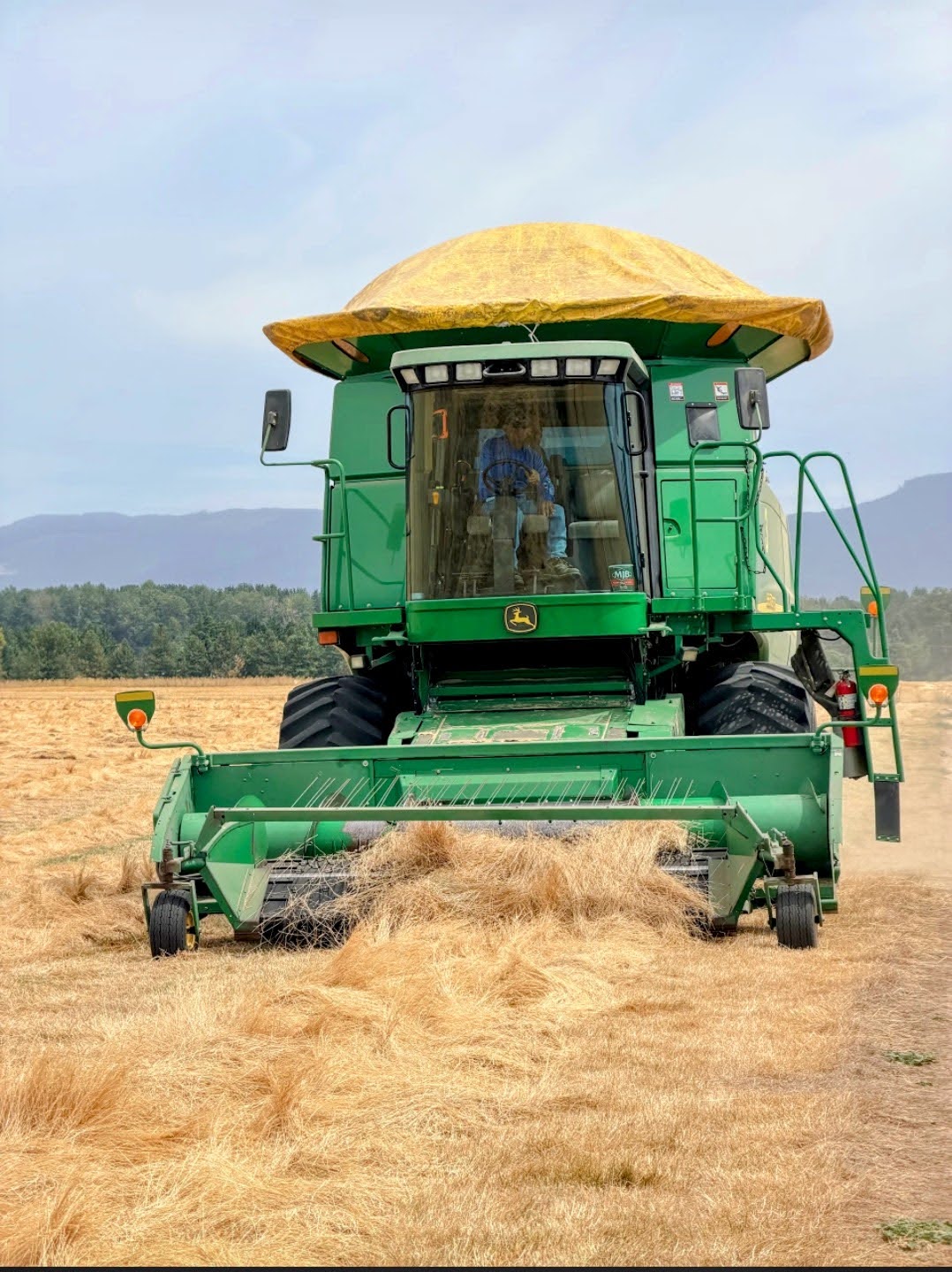
Once a field hits optimum maturity, most bentgrass is swathed first rather than combined directly. Swathing lets the crop dry evenly before threshing, which reduces moisture-related losses and improves recovery.
Because bentgrass seed is extremely small and light compared to grain crops, combine settings (fan speed, cylinder speed, ground speed) need constant adjustment through the day as conditions shift. The goal is simple: recover as much high-quality seed as possible without damaging it.
What comes off the field still isn’t finished seed. It’s a mix of seed, stems, chaff, and inert material that runs through air-screen separation, gravity tables, and precision sizing equipment built specifically for fine turfgrass seed. Every lot then gets tested for germination, purity, weed seed content, moisture, and genetic identity. Only lots that clear those standards move to certification and packaging.
Why Certification Is the Line That Matters
Certified seed isn’t a marketing label. It’s a guarantee that a lot was produced and tested to strict standards for varietal identity, purity, and germination.
For a course investing in greens construction or renovation, that guarantee is what makes establishment predictable. Uncertified seed can carry off-types, contaminants, or unknown genetics that won’t show up until the stand matures and starts performing inconsistently. Certified seed removes that variable before it ever reaches your green.
Frequently Asked Questions
How do growers know exactly when to start harvest?
They track seed color, moisture content, and firmness against daily field walks and weather forecasts. Physiological maturity and harvest-ready conditions often align for only a few days, so fields get checked daily as that window approaches.
Why is bentgrass swathed instead of combined directly?
Swathing lets the cut crop dry evenly in the field before threshing. That reduces moisture variability going into the combine and improves seed recovery and quality compared to direct combining.
What happens during cleaning and conditioning?
Freshly harvested seed still contains chaff, stems, immature seed, and inert material. It moves through air-screen separation, gravity tables, and precision sizing to remove everything except high-quality, uniform seed before testing.
What does testing and certification actually check?
Every lot is tested for germination, genetic purity, weed seed content (including noxious weeds), and moisture before it can be certified. Lots that don’t meet the standard don’t move forward to packaging.
Why does the Willamette Valley produce most premium bentgrass seed?
The combination of mild winters, warm dry summers, alluvial soils, and long summer daylight hours lets bentgrass mature slowly and evenly while producing high yields without sacrificing seed quality. No other region duplicates that combination at scale.
Lew’s Final Thoughts
Harvest is where a year of decisions either pays off or doesn’t. When you put down certified bentgrass seed, you’re getting the result of that entire process, not just a bag of seed. That’s worth remembering the next time you’re evaluating what’s going into your greens.
Want more turf management insights? Read more Lessons with Lew and talk with your local Tee-2-Green distributor.