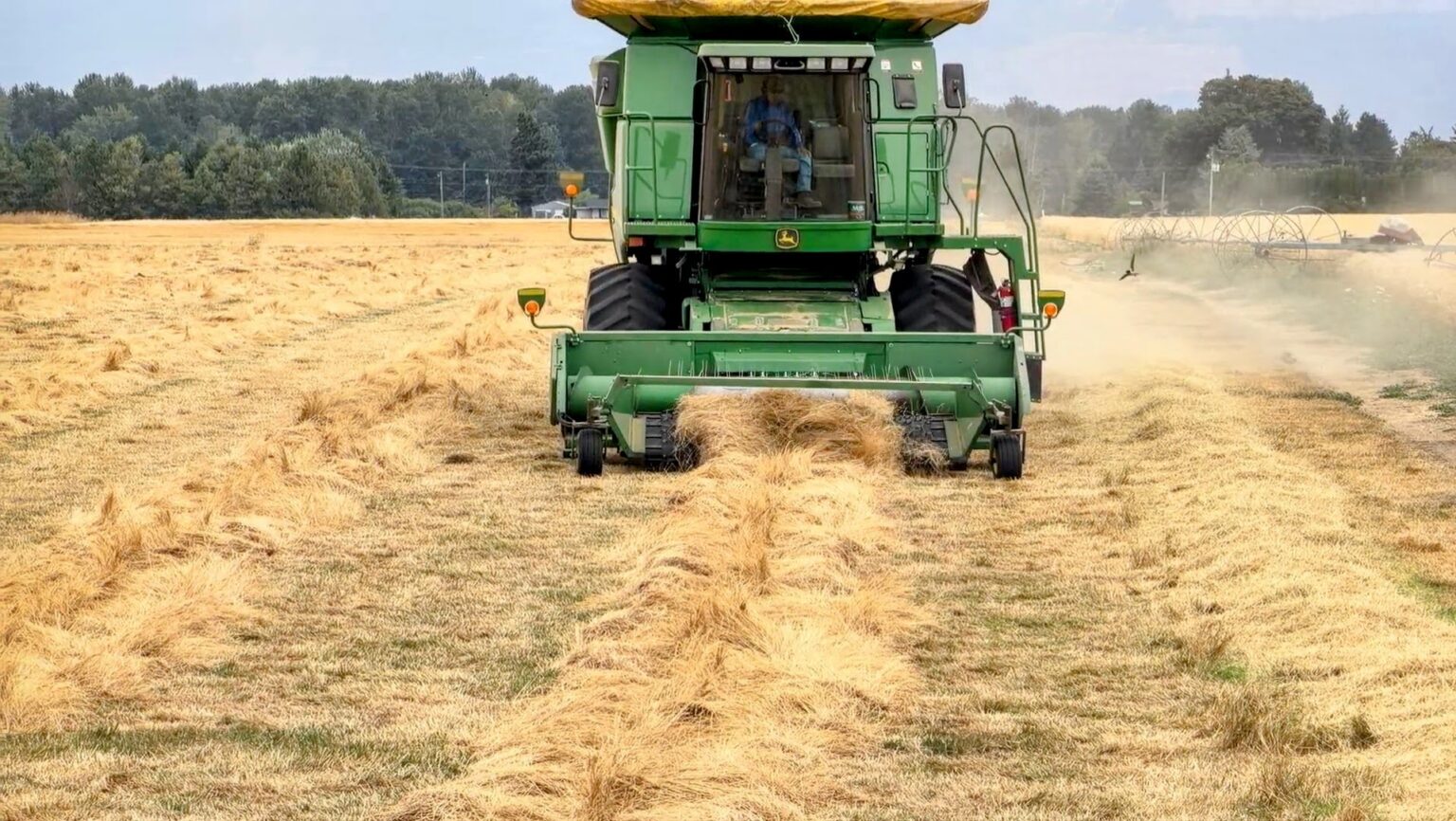


Next summer’s putting greens are built this fall, and most of that work happens below the surface.
Creeping bentgrass comes out of summer with less root mass, lower carbohydrate reserves, and less ability to take up nutrients. Autumn reverses that. As soil temperatures drop, the plant starts sending energy back below ground, and superintendents get their best window of the year to rebuild root systems and restore reserves before winter.
In Part One, Root Recovery After a Tough Summer, we covered the hidden root damage summer leaves behind and the cultural practices that drive fall recovery. This post picks up that thread with the specifics of putting biostimulants into a real fall program.
Fertility programs still do the heavy lifting. More superintendents are adding biostimulants to their fall program to get more out of that recovery window. Used well, biostimulants don’t replace sound agronomy. They improve the plant’s ability to recover from stress and make better use of favorable growing conditions.
Quick Takeaways
- Soil temperatures between 50°F and 65°F (10–18°C) are when bentgrass shifts energy back to root growth. That’s the window biostimulants are built for.
- Biostimulants stimulate natural plant processes rather than supplying nutrients. They help the plant use the fertility you’re already applying.
- The fall goal is rebuilding carbohydrate reserves in crowns, stolons, and roots, which fuel winter survival and spring green-up.
- Applications every 14–21 days fit into most existing spray programs and work best alongside aerification, topdressing, and deep, infrequent irrigation.
Why Fall Is the Window for Root Growth
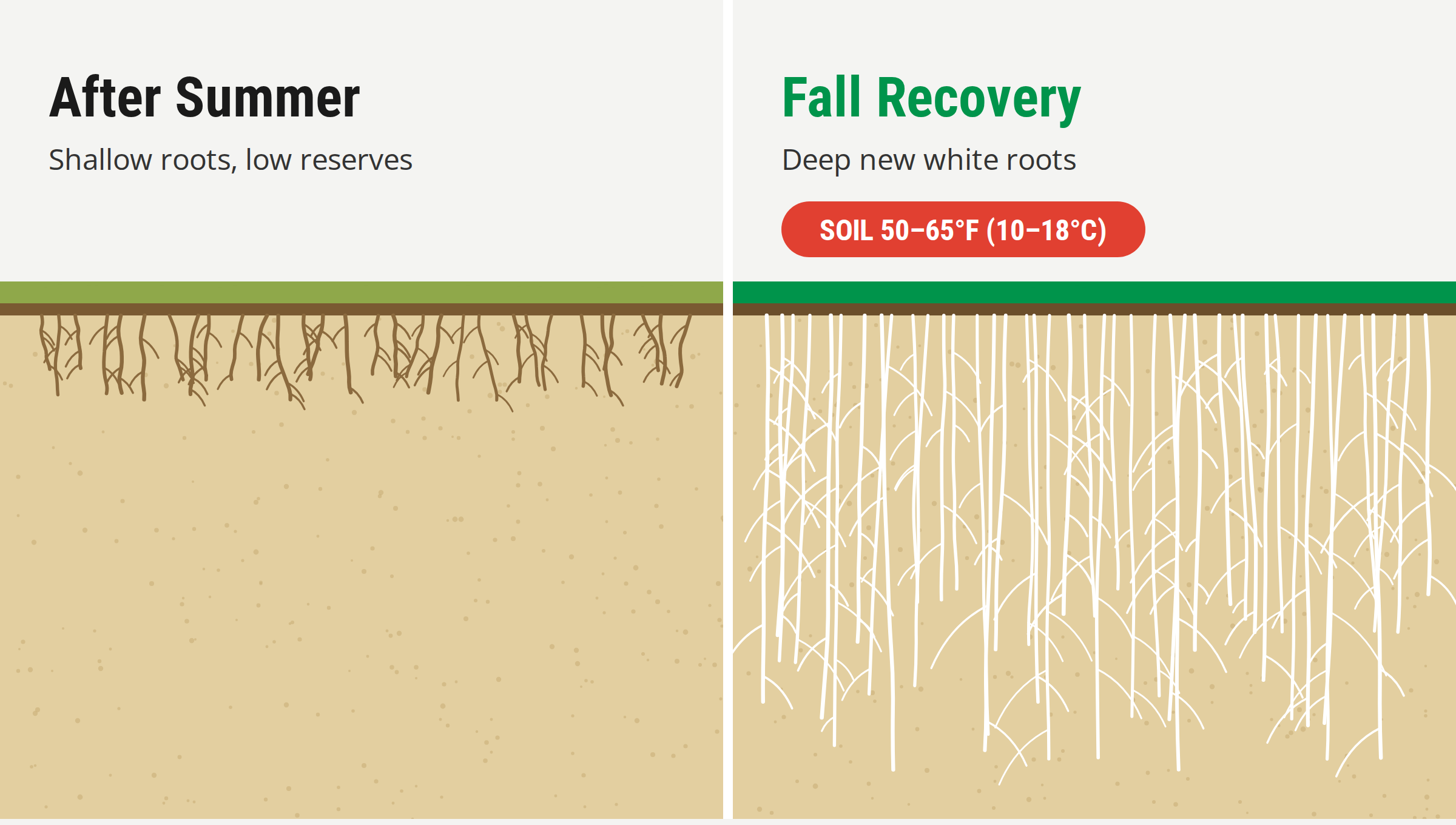
Summer puts creeping bentgrass under a lot of stress.
Through the hottest months, roots often decline because the plant diverts energy toward keeping leaves alive. High soil temperatures, low oxygen, higher respiration, disease pressure, and frequent mowing all reduce root mass.
By late summer, many greens have:
- Shallower rooting depth
- Lower carbohydrate reserves
- Reduced nutrient uptake efficiency
- Greater susceptibility to winter injury
- Slower recovery from traffic
Cooler soil temperatures between 50°F and 65°F (10–18°C) create ideal conditions for roots to regenerate. Photosynthesis becomes more efficient while respiration slows, so the plant can direct more energy below ground.
That’s when biostimulants deliver their greatest return.
What Are Biostimulants?
Unlike fertilizers, biostimulants contain compounds that stimulate natural plant processes rather than simply supplying nutrients.
Common categories include:
- Seaweed (kelp) extracts
- Humic and fulvic acids
- Amino acids
- Protein hydrolysates
- Beneficial microorganisms
- Mycorrhizal fungi
- Carbohydrate sources
- Silicon products
- Organic acids
- Plant growth-promoting bacteria
These products don’t force growth. They help the plant function more efficiently during recovery. For a deeper look at two of the most common options, see Why Humic Acid Deserves a Spot in Your Creeping Bentgrass Program and Why Seaweed Extract Belongs in Your Bentgrass Putting Green Program.
Five Ways Biostimulants Improve Fall Root Recovery

1. Stimulating New Root Development
Many seaweed extracts contain naturally occurring plant hormones that encourage new root initiation.
As soil temperatures decline, bentgrass responds by producing fresh white roots that explore new soil volume for water and nutrients.
Healthier roots lead to:
- Greater drought tolerance next summer
- Improved nutrient uptake
- Better resistance to traffic
- Faster spring green-up
2. Rebuilding Carbohydrate Reserves
Summer stress depletes stored carbohydrates quickly.
Fall is the chance to replenish those energy reserves before winter dormancy.
Biostimulants help by improving photosynthetic efficiency and reducing plant stress, so more sugars get stored in crowns, stolons, and roots.
Those reserves are the fuel for:
- Winter survival
- Spring green-up
- Early-season recovery
- Disease tolerance
3. Improving Soil Biology
Healthy roots depend on healthy soil.
Humic substances, organic carbon sources, and beneficial microbes can stimulate biological activity around the root zone.
Stronger microbial populations help:
- Mineralize nutrients
- Improve organic matter cycling
- Increase nutrient availability
- Enhance root-soil interactions
Results vary by soil type, but a biologically active rhizosphere often improves overall turf resilience.
4. Increasing Nutrient Efficiency
Fall fertilizer applications are often more effective when paired with biostimulants.
Humic acids and amino acids may improve nutrient availability and help reduce nutrient tie-up in the soil profile.
That means more of the applied nitrogen, phosphorus, potassium, iron, and micronutrients reach actively growing roots. (Related: Fall Is the Time to Add Potassium Fertilizer for Better Soil and Turf Health.)
The goal isn’t applying more fertilizer. It’s helping the plant use what’s already there.
5. Reducing Environmental Stress
Greens keep taking stress into the fall from:
- Heavy play
- Aerification
- Sand topdressing
- Disease pressure
- Temperature swings
Certain biostimulants boost antioxidant activity in the plant, which helps limit oxidative damage from environmental stress.
Healthier plants recover faster after cultivation and keep growing strong deeper into the fall.
A Practical Fall Biostimulant Program

A simple recovery program might look like this:
| Timing | Product Focus | Objective |
|---|---|---|
| Late August | Seaweed extract + light nitrogen | Initiate recovery |
| Early September | Humic acid + amino acids | Root stimulation |
| Mid September | Seaweed + iron + potassium | Maintain photosynthesis |
| Late September | Beneficial biology + carbon source | Improve rhizosphere |
| October | Silicon + seaweed | Increase stress tolerance before winter |
Applications every 14–21 days usually give a consistent plant response and fit easily into existing spray programs.
Pair It with Cultural Practices
Biostimulants work best alongside sound turf management.
A fall recovery program should also include:
- Deep, infrequent irrigation (Soil Moisture Management on Greens)
- Core or solid-tine aerification (Hollow Core vs. Solid Tine Aeration)
- Light, frequent sand topdressing (A Guide to Top Dressing)
- Balanced fertility
- Reduced mowing stress coming out of summer
- Continued moisture monitoring
- Disease prevention
Biostimulants amplify a well-designed recovery program. They’re a multiplier on good agronomy, not a substitute for it.
What Results to Expect
With consistent applications, here’s what I see on the courses I visit:
- Increased root mass
- Faster recovery after aerification
- Improved fall color
- Better winter hardiness
- Less spring thinning
- More consistent playing surfaces the following season
Response depends on environmental conditions and product selection. The biggest benefits usually build over multiple seasons as root systems get healthier year after year.
Frequently Asked Questions
When should superintendents apply biostimulants for fall root recovery?
Once soil temperatures fall into the 50°F to 65°F (10–18°C) range. That’s when photosynthesis gets more efficient, respiration slows, and bentgrass directs more energy to roots. A program running from late August through October, on a 14–21 day interval, lines up with that window.
Are biostimulants the same as fertilizer?
No. Fertilizers supply nutrients. Biostimulants contain compounds that stimulate natural plant processes, like root initiation and photosynthetic efficiency, and they can help the plant use the nutrients you apply more efficiently.
Can biostimulants replace aerification or topdressing?
No. Biostimulants work best alongside cultural practices like aerification, sand topdressing, deep and infrequent irrigation, and balanced fertility. They improve the effectiveness of a good program. They can’t stand in for one.
Which biostimulants are most useful for bentgrass greens in the fall?
Seaweed extracts for root initiation, humic acids and amino acids for root stimulation and nutrient availability, beneficial biology with a carbon source for the rhizosphere, and silicon for stress tolerance heading into winter. Rotating through these categories across the fall covers each stage of recovery.
How quickly will I see results from a fall biostimulant program?
Some responses, like fall color and recovery after aerification, can show up the same season. The largest gains in root mass and winter hardiness typically build over multiple seasons of consistent use.
Lew’s Final Thoughts
Every inch of rooting depth you build before winter gives the plant a bigger reservoir of water, nutrients, and stored carbohydrates when summer stress returns.
Biostimulants aren’t miracle products. Combined with proven agronomic practices, they’re valuable tools for building stronger, deeper, more resilient creeping bentgrass. As temperatures cool and the pace of summer slows, the most important growth on your greens isn’t the growth you can see. It’s the root system being rebuilt below the surface.
Want more turf management insights? Read more Lessons with Lew and talk with your local Tee-2-Green distributor.